
What is Anglicanism?

“Anglicanism is a worldwide body of Christians responding to God’s revelation through Jesus Christ. Anglicanism brings together the authority of the Bible, the historic faith, and the beauty of structured prayer. It is rooted in tradition, yet contemporary in practice. It is united in substance, yet diverse in expression. We are a global family living out our faith in local communities.”
—The Anglican Church in North America
What do Anglicans believe?
We emphasize first those essential beliefs that have united Christians in all places at all times. Anglicans hold the Bible to be our primary source of authority, and we also stand with the historic church in accepting the summary of this Biblical faith as expressed in the Apostles’ Creed and the Nicene Creed. For a more recent summary of our historic Christian faith, see the Jerusalem Declaration.
Click here to read about the Anglican perspective on Eucharist and Infant Baptism.
Not many of our parishioners are “cradle Anglicans,” and we welcome questions about what forms our worship and our lives. We use the book To Be a Christian to instruct us in the Anglican way.
Our “Abide” class is the perfect time to air these questions and learn more about Anglicanism. Email parishadmin@churchofthelamb.org to learn when our next Abide class begins.


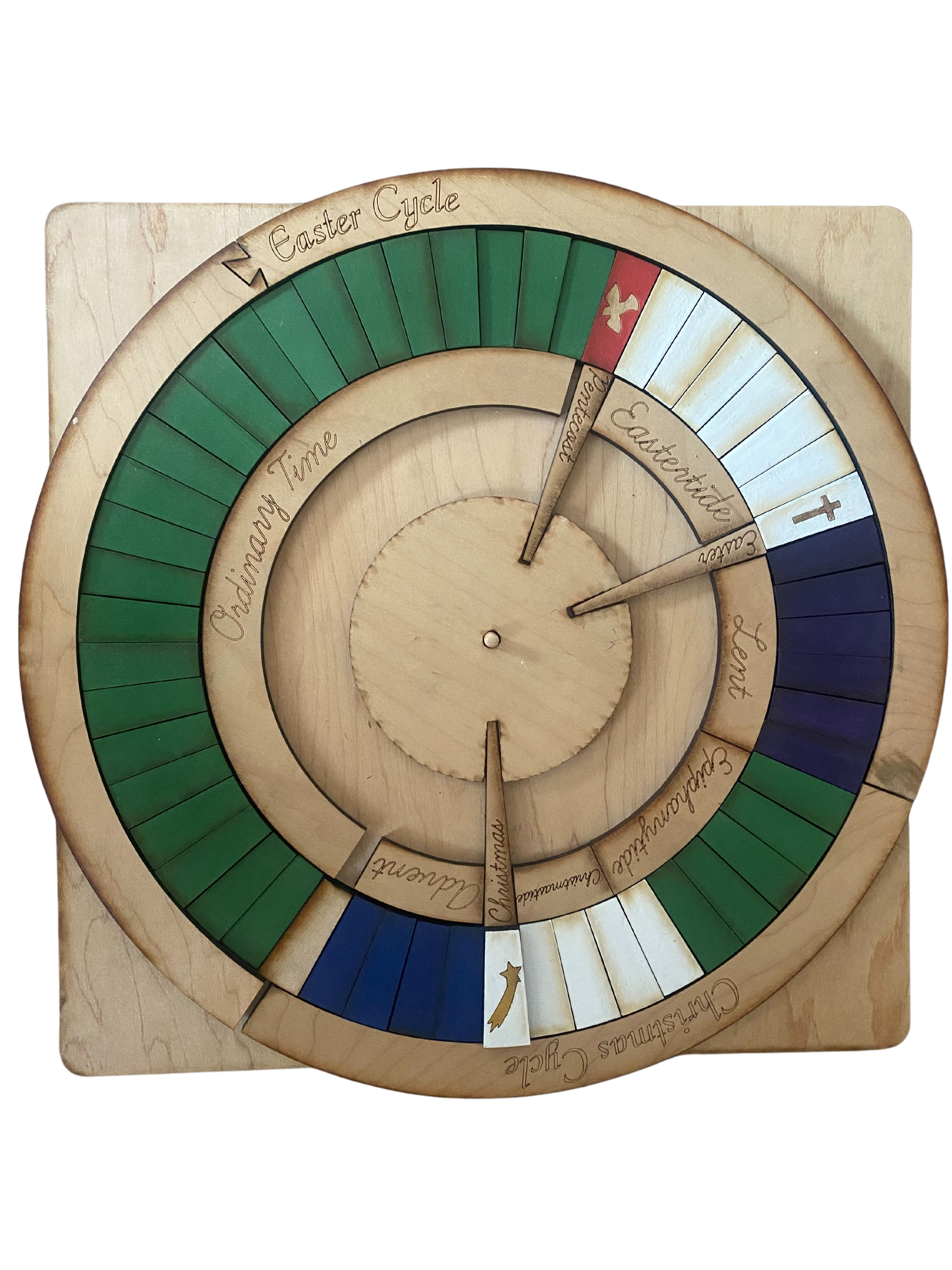
Anglicanism is a liturgical style of worship, which , among other things, means that we invite both our worship and lives to be formed by the Church Calendar. The Church Calendar affirms the truth that we don’t only worship with our hearts and minds but also our bodies.
Throughout the calendar year, we observe and celebrate according to the Church Calendar. Different seasons invoke different actions and visual signals: colors change, we feast, we fast, and we are formed by the ebbs and flows of the christian year.
The Liturgical Calendar
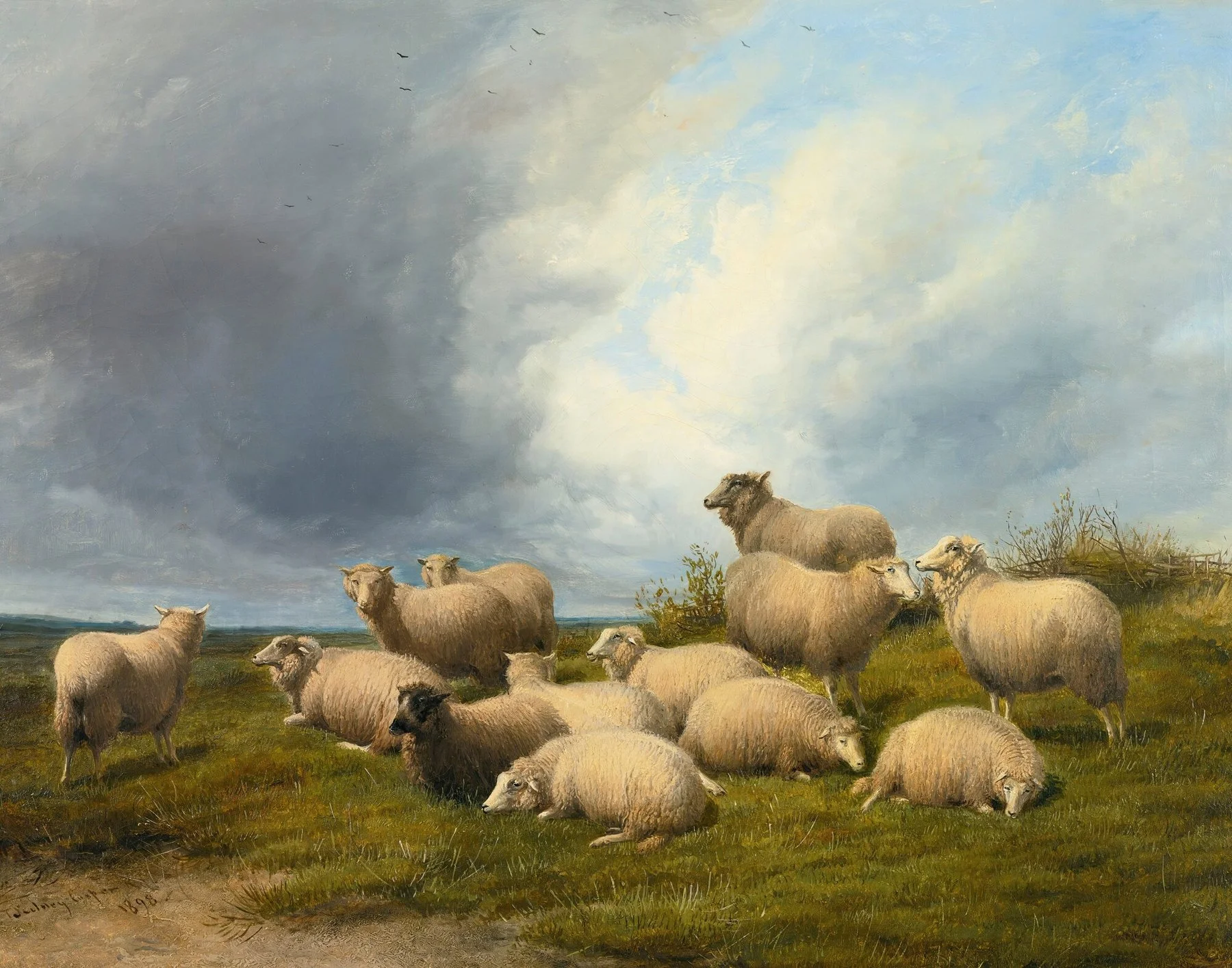
Our Current Season: Ordinary Time
Liturgical color: Green
About Ordinary Time:
Beginning with Trinity Sunday, the week after Pentecost, Ordinary Time is the longest season in the liturgical year, lasting six months.
At Lamb, we see this season as an opportunity to establish our “normal” as a family of God. It’s not fasting time, nor is it feasting time; it’s Ordinary Time.
During this extended season, we get to embrace our everyday rhythms, the Rule of Life that provides structure to our spiritual and corporeal existence.
How is Christ inviting us into deeper companionship with him? What fruit is being nurtured in our own lives? How are we spending our days? In what ways does God want to gift us with deeper rest, and better work, in the midst of the beautiful, the frustrating, the mundane?
These are the questions we invite you to consider during Ordinary Time.
Church of the Lamb is affiliated with the Anglican Church in North America and the Diocese of Christ our Hope.